Running a farm machinery dealership isn’t for the faint of heart. Some days it feels less like running a business and more like refereeing a three-way wrestling match.
In one corner, you’ve got the manufacturer, bulging with sales targets and marketing programs. In the second, the customer, sleeves rolled up, demands a machine that works right now and preferably costs less than last year. And in the third, your staff, reminding you — sometimes gently, sometimes not — that they’re the ones actually making the whole operation function.
And just when you think you’ve managed to keep those three forces from knocking
each other out, the banker wanders into the ring with a checklist, the regulator blows the whistle, and Uncle Joe from the parts counter throws in a comment that makes you question your life choices.
So… who’s really in charge?
The truth is, everyone thinks they are. And if you’re not careful, they might all be right.
– THE MANUFACTURER – “Sell More, Show More, Stock More”
Manufacturers are a bit like in-laws. You need them, you respect them, and you definitely don’t want to alienate them. But sometimes they arrive with a casserole of expectations that doesn’t quite match what you were planning for supper.
Their vision is polished and corporate. They want volume. They want consistency. They want every dealership showroom floor to look like a reality-TV design team staged it. They’ve got sales targets, marketing plans, coop programs, and glossy brochures that make their equipment look like it just rolled off a movie set.
From their perspective, you’re not an independent business — you’re the local branch office.
And to be fair, there’s logic to their pressure. Manufacturers need dealers to move product. They can’t sell a combine directly to a customer in a small town three hours from anywhere. They need you. But sometimes their expectations don’t quite line up with your realities.
Take the ever-popular end-of- year “target push.” The manufacturer offers big incentives if you take a few extra units. Sure, the bonus looks attractive. But if those machines sit on your lot for six months eating up floorplan interest, that “bonus” starts to feel like paying for dinner with a coupon that expired last week.
The smartest dealers know the trick: align with manufacturer programs where it makes sense, but don’t let someone else’s spreadsheet dictate your strategy. Profitability matters more than bragging rights. It’s not about selling the most — it’s about making the most.
Because you don’t keep the lights on with market share, you keep them on with margins.
– THE CUSTOMER – “I Want the Right Machine, Right Now” Now, swing to the other side of the ring — the customer.
Customers don’t care one bit about targets, corporate programs, or whether your dealership wins “Dealer of the Year.” They care about uptime. They care about ROI. They care about whether the baler will finish the next 200 acres before the rain hits and whether that tractor will pull the planter through sticky clay without burning more fuel than their pickup.
If the manufacturer tells you to “push Model X because it’s the flagship,” but your customer has sworn by Model Y for three generations, well, you don’t need a degree in economics to know who wins that argument.
The best dealerships understand this instinctively: you don’t sell iron, you sell solutions. And solutions aren’t always what the manufacturer wants to highlight that quarter.
Here’s the funny thing: customers often know more about what works in their fields than any brochure or marketing slogan. Customers test equipment in conditions no engineer could dream up — rocky ground, swampy patches, clay that clings like glue, and hillsides that seem to defy gravity.
So, when a customer tells you, “That new model looks great, but if it can’t handle my back forty, I don’t want it,” you’d better listen.
Because loyalty isn’t built on moving “priority units.” It’s built on showing up with the right solution, at the right time, for the right price.
Article Written By: Arthur Ward
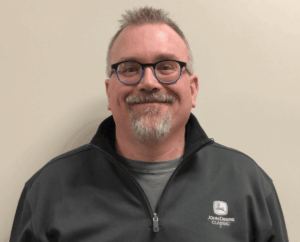 ARTHUR WARD is a trainer with NAEDA’s Dealer Institute. Prior to joining DI as a wholegoods and sales specialist and trainer, Arthur held leadership roles within Pattison Agriculture and its legacy dealerships in Canada, and he is currently the Chief Integration Officer for Aberhart Group. He looks forward to helping dealers succeed by improving whole goods and sales operations.